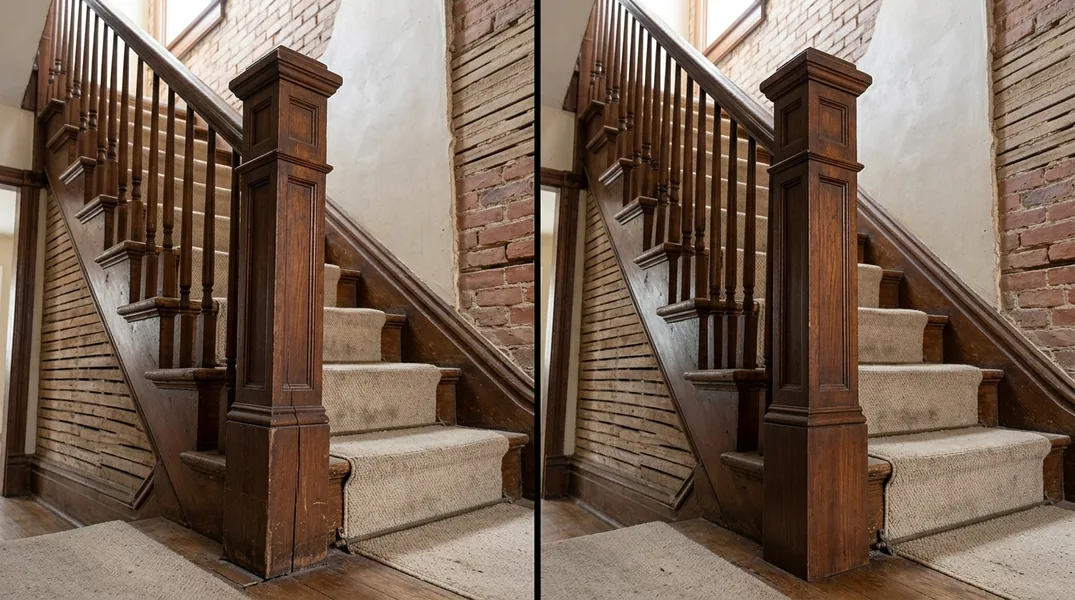
The Freeze-Thaw Cycle: Denver's Hidden Foundation Threat
If you live in Denver, you've probably noticed that your doors don't close quite right in winter, or your floors seem to tilt slightly toward one corner. These aren't just cosmetic annoyances. They're often the first visible signs that your home's foundation is moving due to Colorado's notorious freeze-thaw cycle.
Denver experiences dramatic temperature swings, especially between fall and spring. When moisture in the soil beneath your foundation freezes, it expands. When it thaws, it contracts. This constant pushing and pulling can shift your entire house by small fractions of an inch each season, but those fractions add up. Over years, minor shifts become major problems: doors that won't close properly, floors that slope noticeably, and structural damage that requires professional attention.
The problem is compounded by Colorado's low humidity and variable precipitation patterns. Soil that dries out in summer shrinks, and soil that absorbs snowmelt in spring swells. Your foundation sits directly on this unstable ground, and it responds to every change. Understanding this cycle is the first step toward protecting your home and catching problems early.
Why Your Doors Won't Close Properly: A Sign of Foundation Movement
One of the most common complaints we hear from homeowners in the Denver area is that doors have started sticking or won't latch smoothly. This isn't typically a problem with the door itself. Instead, sticking doors in a house are usually caused by the frame shifting as the foundation moves. When your foundation settles unevenly or heaves due to frost pressure, the entire wall structure shifts with it, throwing door frames out of square.
A door frame that's even slightly out of plumb (not perfectly vertical) will bind against the door itself. You might notice the door drags at the top or bottom, or the latch no longer aligns with the strike plate. Many homeowners try to solve this by planing the door or adjusting hinges, but these are band-aid solutions. If the underlying foundation is moving, the problem will return or worsen.
The key is to determine whether your door issues are caused by minor seasonal movement (which is normal) or by significant foundation problems. If you notice that sticking doors worsen dramatically in winter and improve in summer, you're likely dealing with normal freeze-thaw effects. But if doors are progressively getting worse year after year, or if other signs of structural damage appear, it's time to investigate the foundation itself and contact a professional for a thorough assessment.
Uneven Floor Repair: When Your Floors Start to Slope
Sloping or uneven floors are another hallmark of foundation movement in Colorado homes. If you notice that a marble rolls across your living room floor, or that walking down a hallway feels like you're on a slight incline, your foundation may be settling or heaving unevenly. This is particularly common in homes built on expansive clay soils, which are abundant in the Denver metro area.
Uneven floors are more than just annoying. They're a red flag that the structural support beneath your home is compromised. In many cases, the problem isn't the flooring itself but the joists and subflooring underneath. When your foundation moves, the support posts and beams that hold up your floor can shift out of level, causing the entire floor system to slope. This is where Floor Joist & Subfloor Repair becomes essential. Damaged or undersized joists, water damage, and rot can all contribute to sagging floors, and these problems often develop silently until they become visible.
The solution depends on the root cause. If foundation movement is the culprit, you may need foundation repair specialists. But if the joists themselves are damaged by water, rot, or pest damage, professional repair or replacement is necessary. Either way, ignoring sloping floors will only allow the problem to worsen, potentially leading to more expensive repairs down the road.
Water Damage and Wood Rot: The Secondary Threat from Denver's Climate
Foundation movement doesn't just cause doors to stick and floors to slope. It also creates cracks and gaps in your home's envelope, allowing water to seep in. Colorado's dry climate might seem like it would prevent water damage, but snowmelt, roof leaks, and poor drainage can all introduce moisture into your crawl space and basement. Once water is present, the freeze-thaw cycle accelerates decay of the wooden structural components that support your home.
Wood Rot & Dry Rot Repair is often necessary in homes that have experienced years of foundation movement and the resulting water intrusion. Rot weakens the very beams and joists that hold your house up, creating a dangerous feedback loop. As wood rots, it loses load-bearing capacity, causing the structure to settle further, which opens more cracks for water to enter. This cycle can spiral quickly if not addressed.
The good news is that early detection and repair can stop this progression. If you notice soft wood, discoloration, or a musty smell in your crawl space or basement, have it inspected immediately. The longer you wait, the more extensive and expensive the repairs become.
When to Call a Professional: House Settling vs. Serious Structural Issues
Not every sticking door or slightly sloped floor requires emergency intervention. Some settling is normal, especially in homes that are five to ten years old. However, there are clear warning signs that indicate you need professional help. If you notice multiple doors sticking simultaneously, floors sloping noticeably in more than one room, cracks in drywall or plaster that reappear after patching, or visible cracks in the foundation itself, it's time to get a professional evaluation.
Denver Carpentry specializes in identifying and repairing the structural damage caused by foundation movement and water intrusion. We can assess whether your issues are cosmetic or structural, and we'll provide a clear plan for repair. Many homeowners delay calling because they're unsure whether the problem is serious enough to warrant attention. The truth is, catching these issues early almost always saves money and prevents further damage. If you're noticing door problems, uneven floors, or other signs of settling, contact us for a free estimate. We serve the entire Denver area and can often schedule inspections quickly.
You can reach Denver Carpentry at (720) 807-5448 to discuss your concerns. We'll help you understand what's happening with your home and what options are available to fix it properly.
Prevention and Long-Term Solutions for Denver Homeowners
While you can't stop Colorado's freeze-thaw cycle, you can minimize its impact on your home. Proper drainage is the single most important factor. Make sure gutters and downspouts direct water away from your foundation, and ensure that grading slopes away from your house. In winter, try to maintain consistent soil moisture around your foundation rather than allowing it to dry out completely, as this reduces the severity of heaving.
Regular inspections are also crucial. Have your foundation, crawl space, and basement checked at least once a year, ideally in spring after winter freeze-thaw stress. Look for new cracks, signs of water intrusion, or soft wood. Early detection of problems like Wood Rot & Dry Rot Repair needs can save thousands of dollars in future repairs. If you're unsure what to look for, a professional inspection is well worth the investment.
For homeowners dealing with persistent foundation movement, more extensive solutions may be necessary. Beam Replacement & Load-Bearing Wall Removal services can stabilize your structure if damage is significant. The key is not to ignore warning signs. Your home is your largest investment, and the freeze-thaw cycle is a real threat in Denver. Taking action now prevents far more expensive problems later.
Looking for a professional carpentry contractor in Denver? Denver Carpentry responds fast for all your carpentry needs.
Get a Free QuoteOur services: Wood Rot & Dry Rot Repair · Termite Damage Repair · Floor Joist & Subfloor Repair