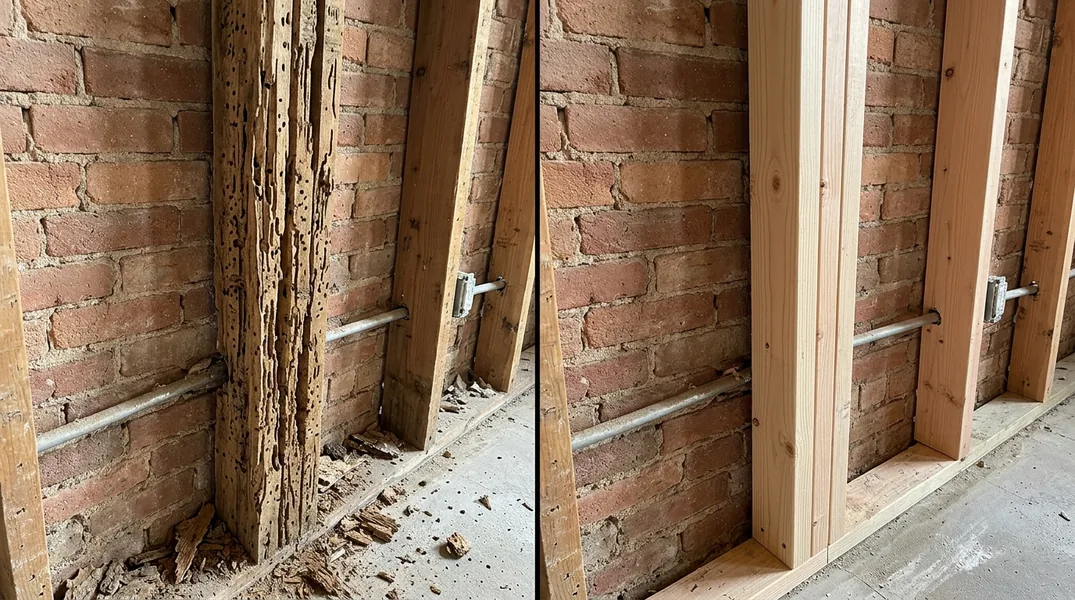
Denver's Perfect Storm: Why Hail and Sun Damage Wood So Badly
Denver sits on the high plains at 5,280 feet elevation, which means homeowners face a unique combination of weather challenges that few other regions experience. The city averages about seven to eight hailstorms per year, and when those storms hit, they can cause serious structural damage to wood siding, trim, and roofing. What many homeowners don't realize is that hail damage isn't always immediately obvious. Small dents and cracks in wood can seem minor at first, but they create entry points for moisture that leads to rot, decay, and expensive repairs down the line.
Beyond hail, Denver's intense UV radiation and low humidity create another problem: sun-cracked wood. With over 300 days of sunshine annually and minimal cloud cover, wooden siding and exterior trim are exposed to constant UV exposure. The wood fibers dry out rapidly, causing the surface to shrink and crack. These cracks allow water to penetrate deeper into the wood structure, especially during spring snowmelt or summer monsoon rains. When moisture gets inside, dry rot can develop, compromising the structural integrity of your home's exterior and potentially spreading to interior framing.
How Hail Damage Leads to Wood Rot and Structural Problems
Hail damage to wood might look like surface dents or small splits, but the real danger lies beneath. When hail strikes wooden siding or trim, it fractures the wood fibers and creates microscopic cracks that are difficult to spot without a professional inspection. These cracks are the gateway for moisture infiltration. Rain, snow, and humidity can seep into the wood, and once moisture gets inside, it creates the perfect environment for fungal growth and dry rot to develop. What started as cosmetic hail damage can quickly become a serious structural issue that affects your home's integrity and value.
The timeline for hail damage to turn into Wood Rot & Dry Rot Repair needs can vary. In Denver's climate, where humidity levels fluctuate dramatically and temperatures swing from freezing to warm, the wood experiences constant stress. Freeze-thaw cycles are particularly destructive because water inside the wood expands when it freezes and contracts when it thaws, widening cracks and accelerating rot development. A homeowner might not notice rot until it's advanced enough to cause visible discoloration, soft spots, or structural sagging. This is why professional inspection after hail storms is critical.
Sun Damage to Siding: Why Denver's Intense UV Rays Are So Destructive
Denver receives an average of 300 sunny days per year, which is significantly more than the national average. While sunshine is great for your mood and energy bills, it's brutal on wood. Ultraviolet radiation breaks down the lignin and cellulose in wood fibers, causing the surface to become brittle and prone to cracking. Unlike hail damage, which happens suddenly and dramatically, sun damage is a slow, cumulative process that many homeowners don't notice until the damage is extensive. The wood loses its flexibility, develops surface checks and splits, and the protective grain becomes exposed to moisture and pests.
Once the wood surface cracks from sun exposure, water penetration accelerates dramatically. Denver's weather patterns mean that moisture comes from multiple sources: afternoon thunderstorms in summer, snowmelt in spring, and the occasional winter rain. When water enters sun-damaged wood, it doesn't dry out as quickly as it would in more humid climates because the air is so dry. However, the wood remains damp enough for fungal spores to germinate and grow. This creates conditions perfect for dry rot, which can spread into framing members, fascia boards, and structural components. Professional Wood Rot & Dry Rot Repair becomes necessary to prevent further deterioration.
Recognizing Hail and Sun Damage Before It Becomes Expensive Rot
Early detection is your best defense against expensive wood damage. After a hailstorm, walk around your home and look for dents, divots, or small cracks in wooden siding, trim, and fascia boards. Pay special attention to the south and west-facing sides of your home, which take the brunt of hail impact and sun exposure. Look for areas where the paint or stain appears darker or discolored, which can indicate moisture absorption. Check wooden trim around windows and doors, as these areas are particularly vulnerable to both hail impact and water infiltration.
For sun damage, look for patterns of cracking that follow the wood grain, a grayish or weathered appearance, and areas where the paint is peeling or bubbling. If you press your fingernail into the wood and it leaves a dent or the wood feels soft, that's a sign that dry rot has already started. Don't wait for visible rot to develop before taking action. If you notice any of these signs in your home, contact Denver Carpentry at (720) 807-5448 to schedule a free estimate. Professional carpenters can assess the extent of damage and recommend repairs before the problem spreads to structural components.
Wood Cracking Repair and Restoration Options in Denver
Once wood damage is identified, the repair approach depends on the severity and location of the damage. For minor surface cracks caused by sun damage, the repair might involve sanding, filling with epoxy or wood filler, and resealing with a protective stain or paint. However, if the cracks are deep or if there's any sign of soft, rotted wood, the damaged section typically needs to be cut out and replaced with new wood that matches the original material. This is where professional expertise matters because carpenters need to ensure proper installation, waterproofing, and finishing to prevent future damage.
For more extensive hail damage or advanced dry rot, larger sections of siding, trim, or framing may need replacement. This is where Wood Rot & Dry Rot Repair services become essential. Denver Carpentry specializes in identifying the full extent of damage, removing compromised wood, and installing new materials with proper ventilation and moisture barriers to prevent recurrence. The key is addressing the underlying moisture problem, not just treating the visible symptoms. If rot has spread to structural members like floor joists or beams, additional services like Floor Joist & Subfloor Repair may be necessary to restore your home's structural integrity.
Preventing Future Hail and Sun Damage: Maintenance Tips for Denver Homeowners
Prevention is always more cost-effective than repair. To protect your home from hail damage, consider installing impact-resistant roofing materials and reinforcing vulnerable areas like fascia and soffits. For siding, choosing materials rated for hail resistance can reduce damage, though wood will always be more vulnerable than metal or composite alternatives. After each hail season, conduct a thorough inspection of your home's exterior and address any damage promptly before moisture infiltration occurs.
To minimize sun damage, apply high-quality exterior stain or paint with UV protection every three to five years, depending on exposure and climate conditions. Maintain proper drainage around your home's foundation and gutters to ensure water doesn't pool against wood surfaces. Consider installing shade structures or using reflective materials on south and west-facing sides if sun exposure is particularly intense. Most importantly, schedule annual inspections of your home's exterior, especially in Denver where weather is unpredictable and damaging. If you notice any signs of damage, contact Denver Carpentry at (720) 807-5448 or request a free estimate to address the problem before it becomes a major repair project.
Looking for a professional carpentry contractor in Denver? Denver Carpentry responds fast for all your carpentry needs.
Get a Free QuoteOur services: Wood Rot & Dry Rot Repair · Termite Damage Repair · Floor Joist & Subfloor Repair