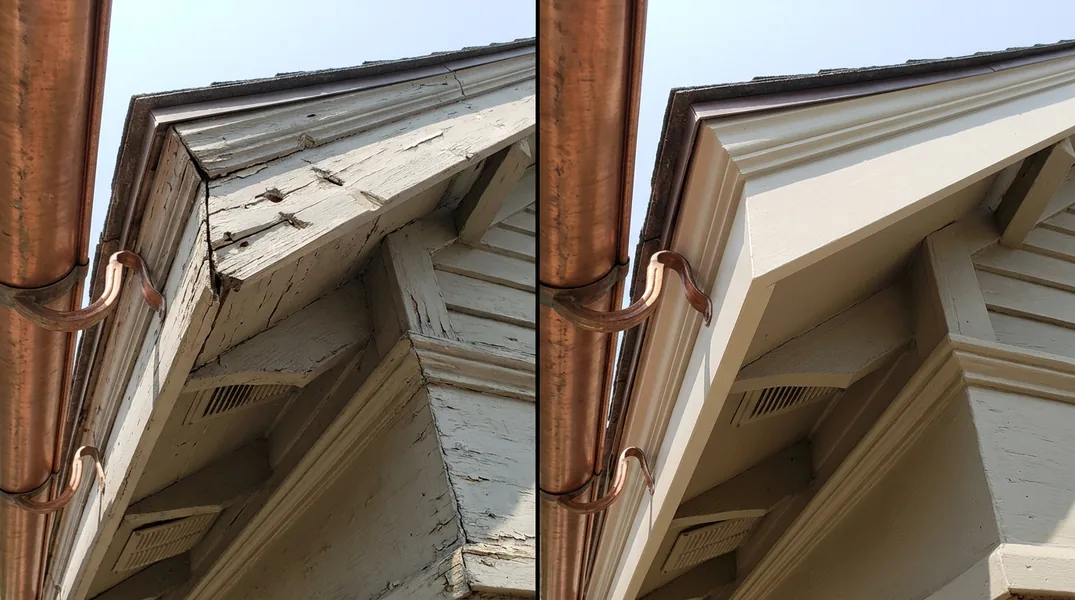
The Denver Square and Victorian Home Wood Challenge
If you own a Denver Square or a Capitol Hill Victorian, you already know these homes are architectural treasures. Built between the 1890s and 1920s, they feature beautiful original details, solid craftsmanship, and character that modern construction rarely matches. But that charm comes with a responsibility: these older homes demand consistent, intelligent wood maintenance.
The honest truth is that wood deterioration in historic homes isn't a question of if, but when. The original timber used in these structures was often old-growth wood with different moisture properties than modern lumber. Combined with Denver's dry climate, temperature swings, and seasonal moisture changes, your home's wood framing, siding, and exterior elements face constant stress. Understanding what to watch for and when to act can save you thousands in emergency repairs down the road.
Wood Siding Repair: The First Line of Defense
Your home's exterior wood siding is the primary barrier between weather and structure. In Denver Squares and Victorians, Wood Rot & Dry Rot Repair often begins with failing siding. Many of these homes feature original drop siding, shiplap, or ornamental trim boards that have weathered decades of sun, rain, and freeze-thaw cycles. When paint fails and wood begins to soften or show dark staining, you're looking at the early stages of rot.
The key is addressing siding problems early. A small soft spot that seems cosmetic can quickly become a pathway for moisture into your home's framing. In Denver's climate, where humidity can fluctuate dramatically between seasons, moisture infiltration accelerates wood decay. Rather than waiting for a board to fail completely, having a professional inspect and repair compromised siding preserves the integrity of your home's envelope. This preventive approach is far less expensive than addressing structural damage after the fact.
Recognizing Early Signs of Wood Rot and Dry Rot
Wood rot and dry rot present differently, and knowing the distinction matters for treatment. Wet rot occurs when wood moisture content exceeds 20 percent, typically caused by water intrusion from failed caulking, damaged gutters, or plumbing leaks. Dry rot, conversely, is a fungal decay that can spread through wood even at lower moisture levels and often goes unnoticed until significant damage occurs. Both are serious, but early detection makes repair far simpler and more affordable.
Look for soft spots when you press on exposed wood trim, discolored or darkened areas on siding, peeling or bubbling paint, and any visible fungal growth or fruiting bodies. In Victorian homes, the ornamental brackets, cornices, and window trim are particularly vulnerable because they're exposed to weather and often difficult to maintain. If you notice any of these signs, contact Denver Carpentry for a free estimate. A professional inspection can identify rot before it spreads to critical framing members like floor joists or load-bearing walls.
Historic Home Maintenance in Denver: Seasonal and Annual Tasks
Maintaining a Denver Square or Victorian requires a disciplined approach to seasonal care. In spring, inspect all exterior wood, including trim, fascia, and siding, for winter damage. Check that gutters are clear and functioning properly, as clogged gutters are a leading cause of water damage and rot in historic homes. Summer is the ideal time for exterior painting and caulking, as the dry conditions allow proper drying and adhesion. Fall should include another gutter inspection and a check of roof condition, since compromised roofing accelerates water intrusion into attics and wall cavities.
Year-round vigilance matters most for basements and crawl spaces. Many Denver Squares were built with minimal foundation moisture barriers, making them susceptible to dampness. Ensure grading slopes away from your foundation, keep downspouts extended at least four to six feet away from the house, and consider installing or improving sump pump systems if you notice persistent moisture. These unglamorous maintenance tasks prevent the kind of hidden damage that can compromise Floor Joist & Subfloor Repair needs later.
When Professional Wood Rot & Dry Rot Repair Near Me Becomes Necessary
There's a threshold where homeowner maintenance ends and professional intervention begins. If you've discovered soft wood, significant rot, or structural concerns, attempting DIY repairs can make the problem worse. Professional assessment determines whether damage is limited to surface siding or has penetrated into framing members. This distinction is critical because rot in structural elements like beams, joists, or load-bearing walls requires specialized repair or replacement that affects your home's safety and value.
Denver Carpentry specializes in historic home repair and understands the unique challenges of Denver Squares and Victorian properties. When Wood Rot & Dry Rot Repair extends beyond surface damage, we assess whether sections can be repaired in place, require partial replacement, or necessitate more extensive work like Beam Replacement & Load-Bearing Wall Removal. We use materials and techniques appropriate to your home's era and preserve original details wherever possible. Call (720) 807-5448 to discuss your specific situation and get a professional evaluation.
Budgeting for Historic Home Wood Maintenance in Denver
Historic home ownership requires a realistic financial perspective. Unlike modern homes with standardized materials and systems, Denver Squares and Victorians often present surprises during repair work. Once we open a wall or remove damaged siding, we may discover additional decay that wasn't visible from the exterior. This is why getting an accurate pricing estimate requires an in-person inspection rather than a phone quote.
The cost of Wood Rot & Dry Rot Repair varies dramatically based on severity, location, and whether structural members are involved. Minor siding repairs might cost a few hundred dollars, while extensive rot affecting joists or beams can run into thousands. However, addressing problems early prevents exponentially more expensive repairs. Many homeowners find that spending $2,000 to $3,000 on preventive maintenance and early intervention saves them $15,000 to $25,000 in future structural repairs. Denver Carpentry provides transparent estimates and helps you understand what's truly necessary versus what's cosmetic.
Looking for a professional carpentry contractor in Denver? Denver Carpentry responds fast for all your carpentry needs.
Get a Free QuoteOur services: Wood Rot & Dry Rot Repair · Termite Damage Repair · Floor Joist & Subfloor Repair