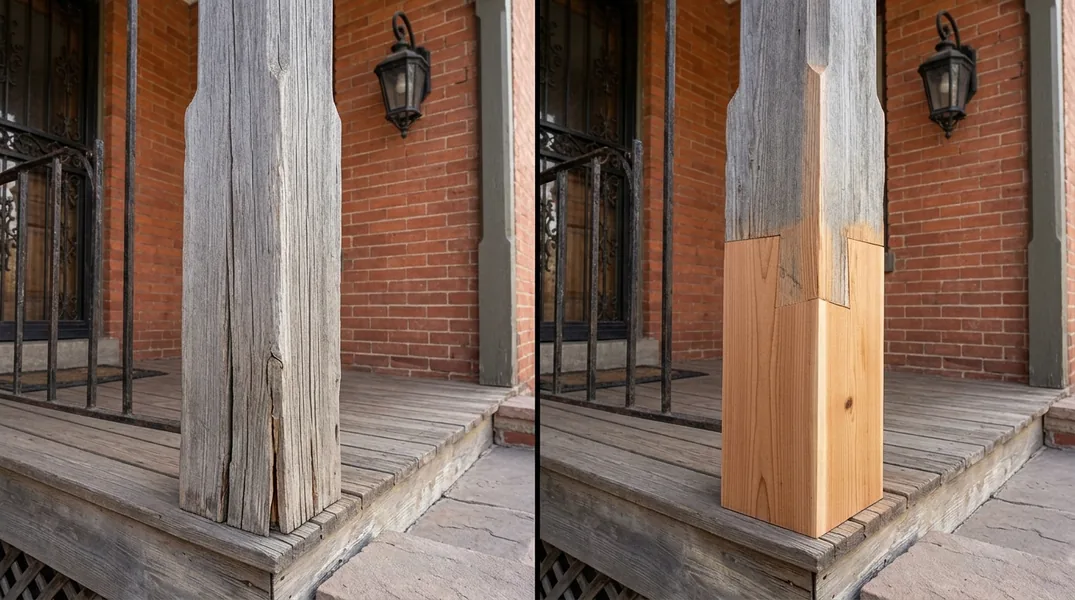
Hail Damage vs Dry Rot: Understanding the Difference
Denver homeowners face a unique challenge when it comes to wood damage. The region's notorious hail storms can wreak havoc on exterior wood surfaces, while our dry climate and temperature fluctuations create ideal conditions for dry rot to develop. At first glance, both types of damage might look similar, but understanding the differences is crucial for getting the right repair solution.
Hail damage occurs suddenly and violently. When hailstones strike wood surfaces, they leave dents, splits, and gouges. The damage pattern is typically random and concentrated on exposed surfaces that faced the storm. In contrast, dry rot develops gradually over months or years as moisture penetrates wood fibers and fungal decay spreads from the inside out. Recognizing which problem you're facing will determine whether you need emergency storm repairs or comprehensive Wood Rot & Dry Rot Repair.
What Does Hail Damage Look Like on Wood?
Hail damage presents very specific visual characteristics that are relatively easy to identify once you know what to look for. When hailstones impact wood, they create distinct dents and indentations that are often uniform in size across the damaged area. These marks may be circular or slightly oblong, depending on the stone's shape and angle of impact. On wooden siding, roof shingles, or trim boards, you'll notice the damage appears fresh, with exposed wood fibers that haven't yet weathered or discolored.
One of the most telling signs of hail damage is the sudden appearance of cracks radiating outward from impact points. These are stress fractures caused by the force of the collision, not by moisture or decay. The wood around these cracks typically remains solid and hard when you press on it. Additionally, hail damage often affects multiple surfaces simultaneously, particularly the south and west-facing sides of your home that took the brunt of the storm. If your Denver home experienced a recent hailstorm and you're seeing these patterns, storm damage is likely the culprit.
Identifying Dry Rot: Progressive Wood Decay Signs
Dry rot, despite its name, requires moisture to develop. It occurs when wood moisture content exceeds 20 percent for extended periods, allowing fungal spores to germinate and break down the wood's cellular structure. Unlike hail damage, dry rot develops silently and progressively. You might not notice it until significant structural compromise has already occurred. The wood affected by dry rot becomes soft, spongy, and brittle, losing its structural integrity over time.
Visual indicators of dry rot include discoloration, typically appearing as dark brown or grayish patches on the wood surface. The affected wood may also develop a sunken or concave appearance as the interior decays faster than the exterior. When you press on wood with dry rot, it yields easily and may crumble or splinter. Unlike the sharp, clean cracks from hail damage, dry rot creates a pattern of cuboidal (cube-shaped) cracks that form as the wood shrinks unevenly during decay. You might also notice a musty odor around affected areas, which indicates active fungal growth. If you suspect dry rot in your Lakewood or surrounding area home, professional inspection is essential because the visible damage often represents only a fraction of the actual decay.
Understanding Wood Cracking Causes in Denver's Climate
Denver's unique climate creates perfect conditions for various types of wood damage. Our elevation, low humidity, and intense sun exposure cause wood to expand and contract dramatically with temperature swings. Winter temperatures can plunge well below freezing, while summer days bring intense UV radiation. This constant expansion and contraction naturally leads to wood cracking, even in perfectly healthy wood with no moisture problems.
Sun damaged wood develops cracks and checking (surface splitting) as the outer layers dry faster than the interior. This is a natural weathering process that accelerates in Denver's high-altitude, high-UV environment. The cracks from sun damage typically run parallel to the wood grain and are relatively shallow, affecting only the surface layer. However, when sun damage combines with moisture infiltration, the situation becomes serious. Water enters through these cracks and becomes trapped, creating the perfect environment for dry rot to establish itself. Additionally, freeze-thaw cycles can exacerbate cracking by forcing water into existing fissures, where it expands as it freezes. Understanding these Denver-specific factors helps explain why wood damage is so common in our region and why preventive maintenance matters.
When to Call a Professional: Wood Rot & Dry Rot Repair Near Me
While minor hail damage might be purely cosmetic, both hail damage and dry rot can compromise your home's structural integrity if left unaddressed. Hail damage allows water infiltration, which can lead to dry rot development months later. Dry rot, once established, spreads relentlessly through structural members like beams, joists, and wall framing. This is why professional assessment is critical. A trained carpenter can distinguish between surface damage and structural compromise, and can identify hidden decay that isn't visible to the untrained eye.
Denver Carpentry specializes in identifying and repairing both storm damage and wood decay. Our team understands the specific challenges that Denver's climate presents and can recommend appropriate solutions. For hail damage, we assess whether repairs are cosmetic or structural, and whether your homeowner's insurance will cover the work. For dry rot, we determine the extent of decay and recommend whether affected wood should be reinforced or replaced. If you've noticed any signs of wood damage on your home, don't wait for the problem to worsen. Contact Denver Carpentry at (720) 807-5448 to schedule your free estimate today. Early intervention often prevents expensive structural repairs down the road.
Prevention and Maintenance: Protecting Your Denver Home's Wood
The best approach to managing wood damage is prevention. For hail damage, there's little you can do to prevent the storm itself, but you can minimize exposure by trimming tree branches away from your roof and siding, and ensuring gutters are clear so water drains properly after storms. After any significant hailstorm, conduct a thorough inspection or hire a professional to identify damage before it leads to water intrusion.
Preventing dry rot requires consistent moisture management. Ensure your gutters and downspouts direct water away from your foundation and wooden trim. Maintain proper ventilation in crawl spaces and attics to prevent moisture accumulation. Seal cracks in wood siding and trim promptly to prevent water penetration. Apply quality exterior stain or paint to protect wood from UV damage and moisture absorption. In Denver's dry climate, many homeowners underestimate how quickly sun damage can progress, making regular inspections and maintenance essential. By addressing small problems early, you avoid the need for major Wood Rot & Dry Rot Repair work later. If you're unsure about your home's current condition or need guidance on preventive maintenance, the team at Denver Carpentry can help.
Looking for a professional carpentry contractor in Denver? Denver Carpentry responds fast for all your carpentry needs.
Get a Free QuoteOur services: Wood Rot & Dry Rot Repair · Termite Damage Repair · Floor Joist & Subfloor Repair